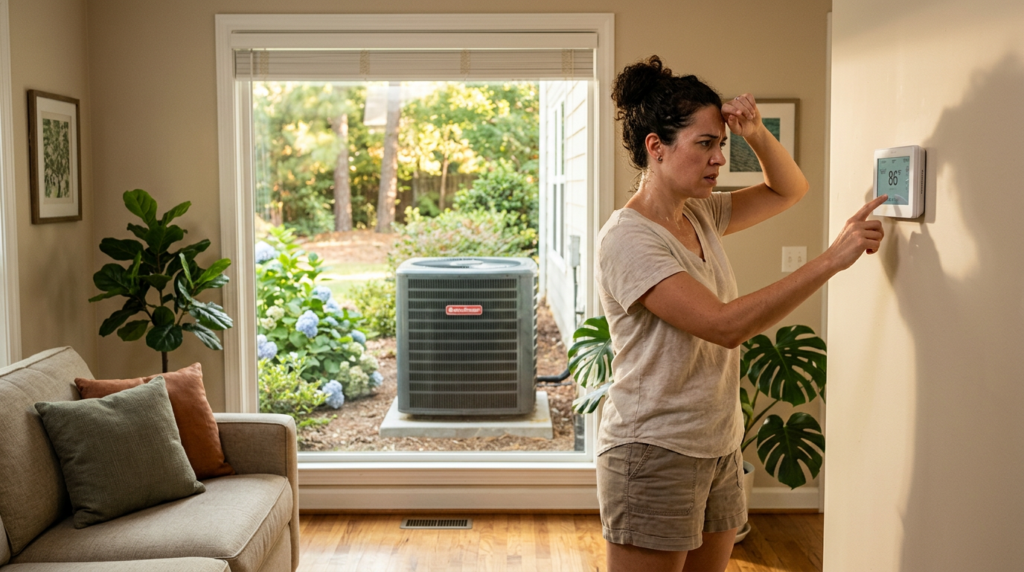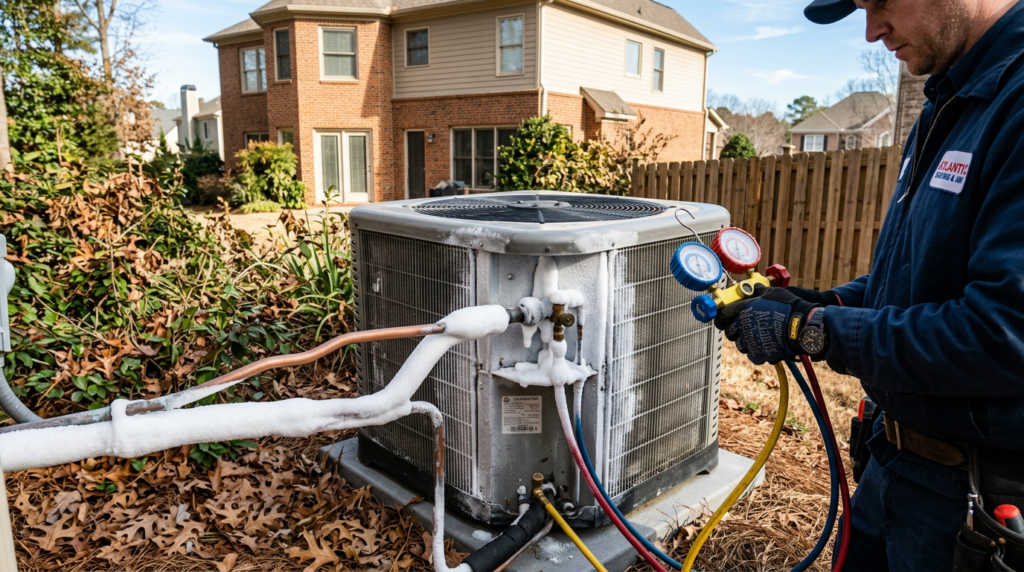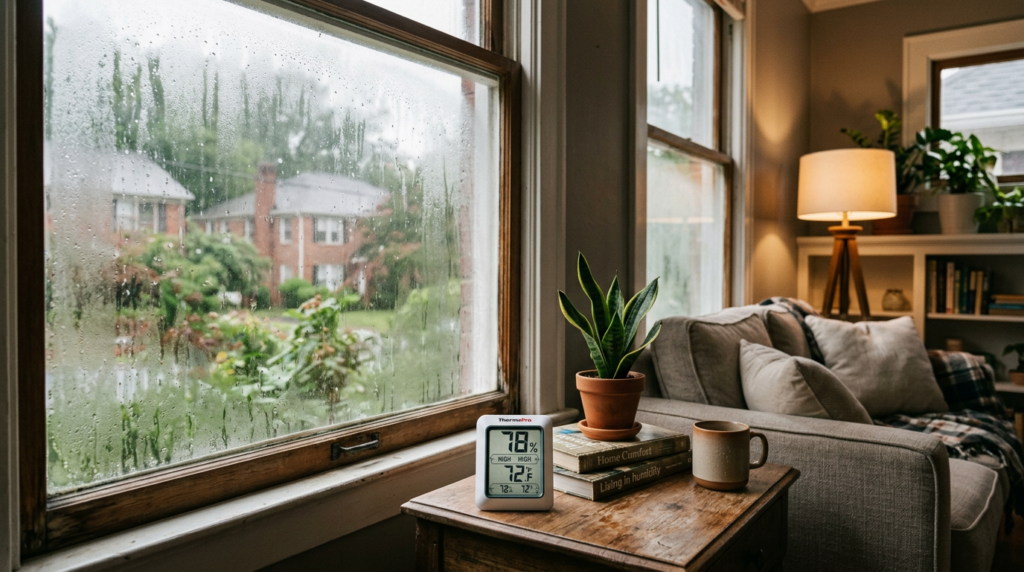
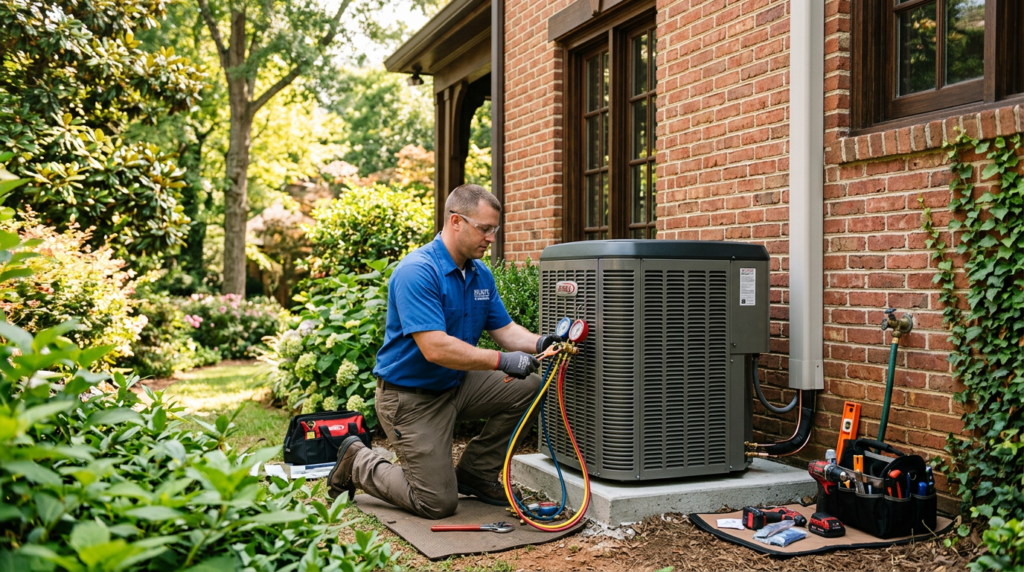
When the Georgia humidity hits 90% and your old AC finally gives out, the choice between a 14 SEER and 16 SEER unit isn’t just about the price tag—it’s about how much you’re willing to pay for comfort. While both systems meet modern standards, Atlanta’s unique climate and rising energy costs mean the “cheaper” option might cost you more in the long run.
Choosing a new air conditioner during an emergency breakdown is stressful, but understanding the math behind efficiency can save you thousands over the next decade. This guide breaks down the financial investment, the technical maintenance, and the local real estate trends to help you choose the right system for your metro Atlanta home.
What Do SEER Ratings Actually Mean for Georgia Homeowners?
The Seasonal Energy Efficiency Ratio Explained
Think of a SEER rating as the “miles per gallon” for your air conditioner. It measures the cooling output of a system divided by the total electric energy input over an entire season. The higher the number, the less electricity the unit uses to keep your home at a specific temperature.
In our region, the georgia energy code sets the minimum requirements for residential new builds and equipment replacements. While 14 SEER was the baseline for years, the industry is currently shifting toward SEER2 ratings, which utilize a more rigorous testing procedure to better reflect real-world ductwork conditions found in Georgia homes.
The Impact on Your Georgia Power Bill
The primary reason homeowners opt for higher efficiency is to lower their monthly overhead. By using a SEER calculator, you can see that a 16 SEER unit is roughly 13% more efficient than a 14 SEER unit. While 13% might sound modest, it adds up quickly when your unit is running around the clock.
These savings accumulate significantly during Atlanta’s long cooling season, which typically stretches from May through September. Many residents find that installing HVAC in Atlanta acts as a long-term investment that generates monthly dividends through lower utility bills rather than being just another expense.
Is the Upfront Cost of 16 SEER Worth the Investment?
Comparing Initial Purchase Prices in Atlanta
The most immediate hurdle for any homeowner is the price gap between models. In the metro Atlanta market, the price difference between a 14 SEER and a 16 SEER unit usually ranges from $1,000 to $2,500, depending on the tonnage and the specific brand of the equipment.
For a clearer picture of what to expect on your estimate, you can review our guide on how much should HVAC cost in Atlanta to see current market averages. Fortunately, you can often offset this initial cost through local rebates or federal tax credits available for AC installation in Atlanta.
The Payoff vs Lifespan Reality Check
A common concern among homeowners is whether the energy savings will actually break even before the unit needs to be replaced in 10 to 12 years. If you plan on staying in your home for at least a decade, the 16 SEER unit often pays for itself through reduced Georgia Power bills and fewer repairs related to system strain.
The “sweet spot” for SEER ratings depends heavily on regional electricity rates and your specific usage patterns. For homeowners in high-growth areas like Alpharetta, the opportunity cost of capital is a major factor; however, the increased comfort and lower monthly outflow usually tip the scales in favor of the 16 SEER model.
How Does SEER Affect Comfort in Atlanta’s “Soupy” Summers?
Dehumidification and Two-Stage Cooling
In Georgia, the heat is only half the battle; the humidity is what truly makes a summer afternoon miserable. Most 14 SEER units are “single-stage,” meaning they are either 100% on or 100% off, which can lead to short-cycling where the air is cooled quickly but the moisture isn’t removed.
In contrast, 16 SEER units often feature “two-stage” compressors that can run at a lower capacity on milder days. These units are superior for managing humidity because they run for longer cycles at lower speeds, effectively pulling moisture out of the air without over-cooling the home. This prevents the “cold and clammy” feeling often associated with lower-efficiency systems.
Temperature Consistency Throughout the Home
Variable-speed or two-stage 16 SEER systems are also much better at eliminating “hot spots” in larger, multi-story homes. Whether you live in a traditional two-story in Roswell or a sprawling ranch in Marietta, consistent airflow is the key to whole-home comfort.
Higher SEER units typically pair with more sophisticated blower motors that adjust airflow dynamically. Homeowners can refer to building america technical reports regarding humidity control in hot-humid climates to see why consistent air movement is essential for indoor air quality.
What Are the Long-Term Repair and Maintenance Considerations?
The Complexity of High Efficiency Parts
While efficiency is a benefit, it does come with increased mechanical complexity. Many 16+ SEER units utilize proprietary control boards and Electronically Commutated Motors (ECM) to achieve their high ratings. These parts are more expensive to replace than the components found in a basic 14 SEER unit.
For example, a standard capacitor replacement on a 14 SEER unit is a quick, inexpensive fix. However, a logic board failure on a high-efficiency model can be a significant expense. This makes a consistent maintenance plan for your AC replacement in Atlanta absolutely vital to protect those complex electronics from surges or wear.
Availability of Replacement Components
Another factor to consider is the “off-the-shelf” availability of parts. Because 14 SEER units use more generalized components, most technicians carry the necessary parts on their trucks for immediate repairs. High-efficiency units may require specialized parts that must be ordered directly from the manufacturer.
This potential for longer downtime is why professional AC installation is so critical. A perfectly installed high-efficiency system is less likely to experience the premature component failure that plagues poorly commissioned units, ensuring your investment remains operational during the hottest weeks of July.
Does SEER Rating Affect Your Atlanta Home’s Resale Value?
Buyer Expectations in Metro Atlanta Real Estate
In the competitive Atlanta real estate market, the “hyper-local context” matters. In luxury markets like Buckhead or Sandy Springs, buyers have come to expect high-efficiency systems as a baseline requirement. A 14 SEER unit in a high-end home might be viewed as a “budget” choice or even a red flag during a home inspection.
For estates exceeding 4,000 square feet, high SEER systems are often the only practical way to keep cooling costs manageable for future owners. A buyer looking at a large property will be acutely aware of the potential for a $500 monthly power bill and will value a system that mitigates that cost.
Marketing Your Home with Energy Efficiency
If you decide to sell, a 16 SEER system can be a powerful marketing tool. Highlighting a high-efficiency HVAC system in a listing appeals to both eco-conscious buyers and those who are strictly budget-minded.
Studies regarding high performance homes suggest that energy-efficient upgrades can significantly increase a home’s marketability. Connecting your HVAC upgrade to the overall “health” and “smart” status of your home positions the property as a modern, well-maintained investment.
Which SEER Rating Is the Final Winner for Your Home?
Choosing Based on Your Staying Power
Ultimately, the right choice depends on your long-term plans. We generally recommend a 14 SEER unit for homeowners who plan to sell their property within the next 2 to 3 years or for those who are on a very strict emergency budget. It provides reliable cooling without the higher upfront investment.
However, we recommend a 16 SEER unit for “forever homes” where long-term comfort and superior humidity control are the top priorities. The difference in air quality and the reduction in “mugginess” inside the home is often worth the extra cost alone. Before making a final decision, it is wise to seek a professional consultation to perform a Manual J load calculation.
Selecting the Right Partner for Installation
The efficiency rating on the yellow “Energy Guide” sticker is only achievable if the system is installed correctly. It is essential to choose a contractor who is experienced with AC replacement in Atlanta and the specific configurations required for high-efficiency equipment.
Whether you are in Marietta or Alpharetta, local expertise ensures that your ductwork can handle the airflow of a 16 SEER system. While SEER is just a number on a page, comfort is a physical feeling—and in the heart of Georgia, that feeling is best when it is “dry and cool.”
Summary: Making Your Decision
Choosing between 14 and 16 SEER requires balancing your immediate budget with your long-term goals. While the 14 SEER model offers a lower entry price, the 16 SEER model provides:
- Lower monthly energy bills (roughly 13% savings).
- Superior humidity control via two-stage cooling.
- Increased home resale value, particularly in premium Atlanta neighborhoods.
- Better temperature consistency and fewer hot spots.
By considering your home’s size, your budget, and how long you plan to stay, you can make a choice that keeps your family comfortable through the most brutal Georgia summers.