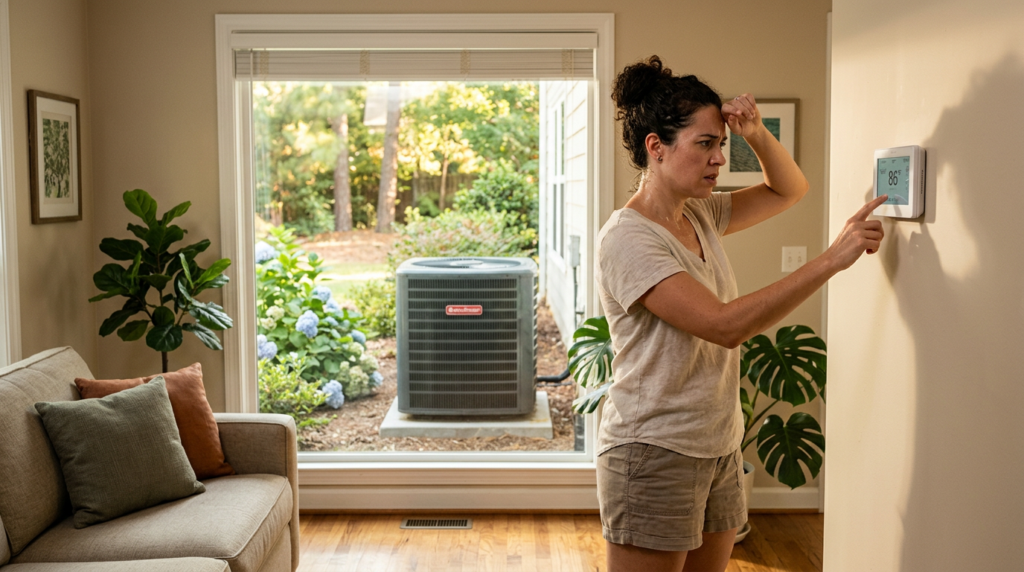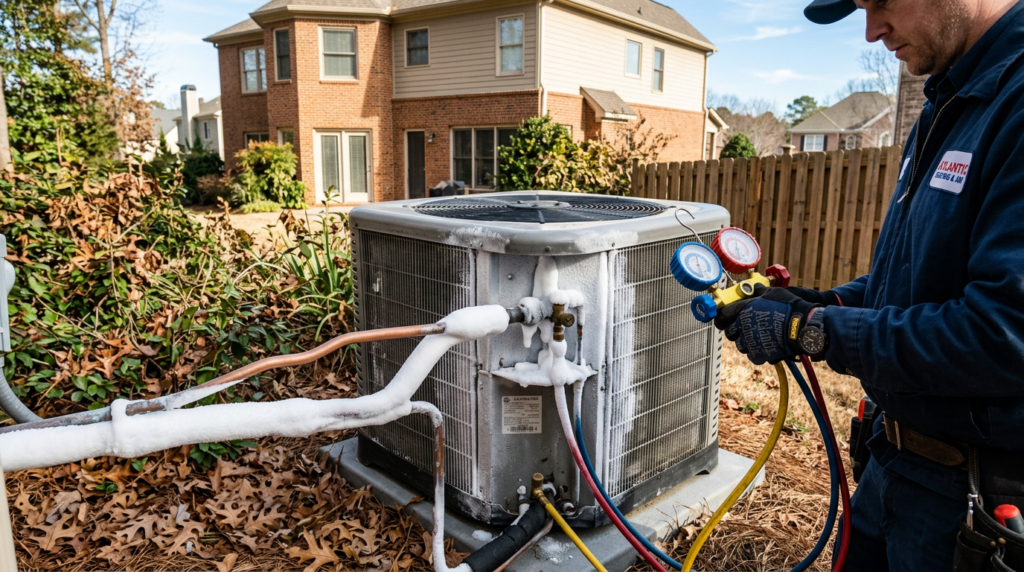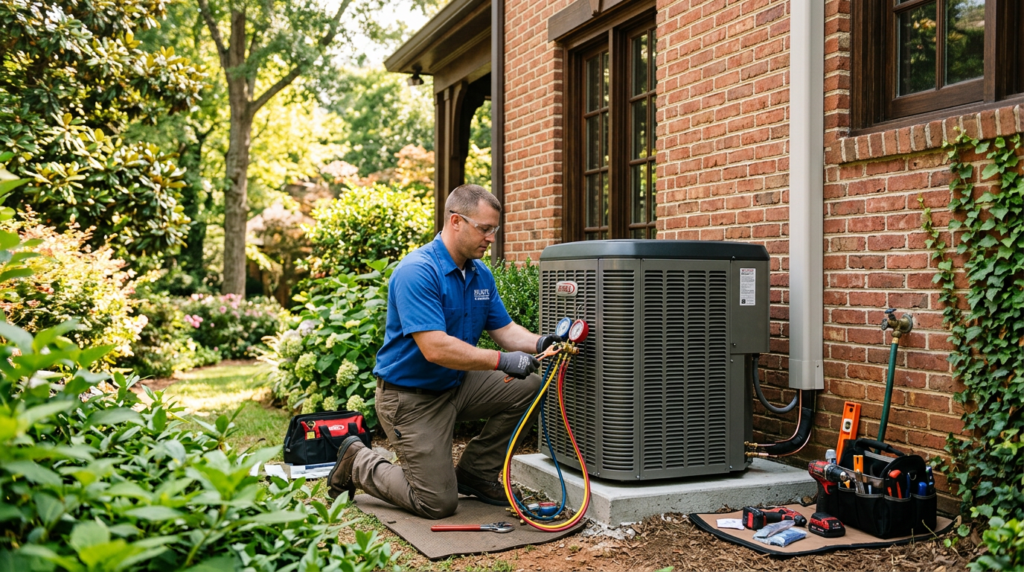

Walking into a home that smells like a locker room, a gas leak, or a dumpster can be immediately alarming, especially when the culprit is the very system meant to provide comfort: your air conditioning. It is a jarring experience to flip the switch for a cool breeze only to be met with a pungent cloud of “The Smelly Smell.”
While many AC odors are merely a nuisance caused by moisture and dust, others serve as critical warnings. Some scents signal electrical fire hazards, while others point toward toxic leaks that could compromise your family’s safety. This guide will help you decode these mysterious aromas, identify when you are in immediate danger, and provide expert-backed solutions to clear the air.
What Are the Most Common AC Odors and What Do They Mean?
The first step in resolving a foul-smelling HVAC system is identifying the specific “flavor” of the scent. Your nose is actually a sophisticated diagnostic tool that can tell the difference between a simple maintenance issue and a mechanical failure.
Dirty Sock Syndrome and Microbial Growth
One of the most frequent complaints technicians hear is “Dirty Sock Syndrome.” This is exactly what it sounds like—a sharp, pungent, gym-bag odor that permeates the home the moment the blower kicks on. This occurs when a biofilm of mold, mildew, and bacteria develops on the evaporator coils.
Interestingly, these smells often peak when the AC is set between 24-28°C (75-82°F). High temperatures and humidity can cause odors and health concerns to escalate as volatile organic compounds (VOCs) become more active.
At a microscopic level, your evaporator coil is a dark, damp playground for microorganisms. Even if the coils look clean to the naked eye, a thin layer of bacteria can thrive in the narrow fins, releasing metabolic gases that create that unmistakable stench.
Rotten Eggs or Sulfur Smells
If you smell rotten eggs, you must act with extreme caution. This scent is almost never caused by the AC unit itself, but rather by an additive called mercaptan, which gas companies put into natural gas to make leaks detectable. If you have gas-powered appliances, a sulfur smell is a sign of a potential leak.
However, if you don’t have gas lines, the smell might be biological. Small animals like mice or birds often seek shelter in ductwork during the off-season. If they perish there, the decomposition process creates a localized but incredibly intense odor that the AC then distributes through every vent in the house.
In some cases, especially with portable or window units, “negative pressure” can be the culprit. If your home is sealed too tightly, the AC can actually pull sewer gases into the living space from external vents or dried-out floor drains, leading to a swampy, sulfurous environment.
Electrical Burning and Overheating Motors
A “burning” smell is a red flag that should never be ignored. If the scent reminds you of gunpowder or burning plastic, it likely indicates that a blower motor is failing or a circuit board is shorting out. Aging motors often off-gas a metallic, toxic-smelling fume intermittently before they finally seize and fail completely.
A particularly dangerous scent is a “fishy” odor. In the world of HVAC and electrical work, a fishy smell almost always points to overheating plastic, rubber, or wire insulation. This is a primary indicator of a fire hazard, as the chemicals used in wire coatings release this specific scent when they reach melting temperatures.
Faulty circuit breakers can also lead to internal melting. If a breaker fails to trip when it should, the excess heat can melt the plastic housing inside your electrical panel, creating hazardous fumes that are then sucked into the return air duct and blown throughout your home.
Is the Smell Coming From My AC Actually Dangerous?
When your home smells “off,” the first thing many people worry about is invisible killers like carbon monoxide. While it is important to be vigilant, it is also helpful to understand the mechanics of your cooling system to avoid unnecessary panic.
The Truth About Carbon Monoxide Myths
There is a common misconception that an electric AC unit can produce carbon monoxide (CO). To put your mind at ease: an electric-only cooling system cannot produce CO because there is no combustion occurring. Carbon monoxide is a byproduct of burning fuel like gas, oil, or wood.
However, the connection becomes relevant if you have a hybrid system or a gas-fired furnace that shares the same ductwork as your AC. If your furnace heat exchanger is cracked, CO could potentially enter the airflow. It is vital to remember that indoor air can cause health problems if the system is not properly ventilated. Safety dictates that every home with gas appliances should have functioning CO detectors on every floor.
Health Risks of Mold and Refrigerant Leaks
While CO might not be a risk for electric units, mold and chemicals are. Mold spores and VOCs can trigger asthma attacks, allergic reactions, or “Sick Building Syndrome,” a condition where occupants experience headaches and fatigue that disappear when they leave the building.
Refrigerant leaks are another concern. While modern refrigerants are less toxic than those used decades ago, they are still chemical compounds. A significant leak can cause dizziness or nausea. It is also worth noting that certain portable units have faced scrutiny; for example, there were Midea recalls recently due to specific window units having a high risk of internal mold exposure that could affect respiratory health.
Environmental and Structural Hazards
Beyond health, smells can signal structural issues. If your AC is pulling in outdoor pollutants or car exhaust from a nearby garage, it means your “building envelope” is compromised. This negative pressure doesn’t just bring in smells; it brings in humidity that can rot wood and damage drywall over time.
Persistent moisture is the root cause of almost all AC odors. If that moisture isn’t managed, it can lead to permanent damage to your ductwork insulation. Once insulation becomes saturated with moldy water, it usually cannot be cleaned and must be replaced entirely to stop the smell.
Can I Fix My Smelly AC Myself or Should I Call a Pro?
Many homeowners want to tackle the problem themselves to save money. Depending on the source of the odor, a DIY approach can be highly effective, provided you use the right materials and know your limits.
The DIY Cleaning Protocol
If you suspect “Dirty Sock Syndrome,” the first step is cleaning the coils. However, you should avoid using bleach. Bleach is highly corrosive to the copper and aluminum found in AC systems. Instead, professionals recommend using a diluted solution of hydrogen peroxide or chlorine dioxide to kill bacteria without damaging the metal.
Another common DIY fix is cleaning the condensate drain line. This is the PVC pipe that carries water away from your unit. If it gets clogged with “algae slime,” stagnant water will back up and rot. Using a wet/dry vac to suck out the blockage from the exterior exit point is a safe and effective way to clear the air.
Don’t forget the simplest solution: the air filter. According to the EPA’s guide to indoor air quality, maintaining clean filters is one of the most effective ways to improve the air you breathe every day.
Cost Comparison of DIY vs Professional Help
A DIY deep clean usually costs between $50 and $100 for specialized cleaning sprays and new filters. In contrast, an ac repair visit can start at $150 for a service call and go much higher if a full overhaul of the blower motor is required.
However, DIY has its limits. If you smell electrical burning or suspect a refrigerant leak, you should never attempt a self-repair. These issues require emergency ac repair because they involve high-voltage components and pressurized chemicals that can be lethal if mishandled.
If you are in the Southeast, you might seek out air duct services in Atlanta to handle deep-seated smells, while those in smaller suburbs might look for emergency ac repair to address sudden mechanical failures.
The “Cycle Hack” for Persistent Mustiness
For high-efficiency homes that stay very tight, moisture can linger on the coils even after the unit shuts off. A pro tip is to run a “Fan Only” cycle for 30 minutes after a long cooling period to dry out the internal components. In humid climates like Georgia, using a standalone dehumidifier can also take the “moisture load” off your HVAC, preventing the conditions that allow bacteria to grow in the first place.
How Do I Prevent AC Smells From Returning?
Once you have cleared the air, the goal is to keep it that way. Prevention is significantly cheaper than restoration, and it starts with a holistic look at your home’s air system.
Routine Maintenance and Air Duct Care
While cleaning the unit is important, the “veins” of your home—the ducts—can also hold onto odors. Investing in professional air duct services ensures that the dust and organic matter that feed bacteria are removed from the system entirely. It is much more effective to remove the source of the smell than to mask it with scented sprays or candles.
You should also ensure your “envelope” is sealed. If you use window units, make sure they are tilted slightly outward so water drains outside rather than into your wall. For homeowners in the suburbs, scheduling air duct services in Marietta for an annual checkup can catch small issues before they become pungent problems.
Upgrading Filtration and UV Lights
If you are sensitive to smells or have allergies, consider upgrading to HEPA or high-MERV filters. These filters trap the tiny organic particles that bacteria feed on. Furthermore, many experts now recommend UV-C germicidal lights. These are installed inside the air handler and shine directly on the evaporator coil, killing mold and bacteria 24/7.
Regular checkups, such as ac repair in Alpharetta, often include an inspection of these add-on systems to ensure the bulbs are still active and the coils remain sterile.
Smart Thermostat Settings
Your thermostat settings play a surprisingly large role in how your AC smells. Many people leave their fan set to “On” rather than “Auto” to keep air moving. However, in humid environments, leaving the fan “On” can actually blow moisture back into the house before it has a chance to drain away. This keeps the ducts damp and encourages mold. Using a smart thermostat with a humidity sensor allows you to monitor the “dew point” inside your system and adjust settings accordingly.
When Should You Seek Emergency Help for AC Odors?
There are times when “waiting until Monday” isn’t an option. Recognizing the red flags of a system in distress can save your home from a fire or your family from chemical exposure.
Red Flags That Require Immediate Action
If you detect a “gunpowder” or “burning” scent, turn the system off at the breaker immediately. This indicates a short circuit or a motor that is literally on the verge of catching fire. Similarly, if anyone in the home begins to experience unexplained headaches, dizziness, or nausea specifically when the AC is running, you must evacuate and call for help.
When these situations arise, contact ac repair in Roswell to get a technician on-site. The same applies to residents in the western suburbs who might need emergency HVAC service to investigate a suspicious sulfur or metallic odor.
Preparing for a Professional Inspection
To help your technician, document the scent before they arrive. Is it constant or intermittent? Does it only happen when the compressor kicks on, or is it always there when the fan is running? Also, ensure the technician has clear access to both the indoor air handler (often in a closet or attic) and the outdoor compressor unit.
Final Summary of Safety Protocols
In the end, your nose is one of your home’s best defense mechanisms. While a “dirty sock” smell is usually just an annoying maintenance task, burning or sulfurous odors are urgent warnings. For more information on how appliances can affect your home environment, you can review the household appliances warnings provided by government safety boards.
By staying proactive with filter changes, moisture management, and professional inspections, you can ensure that your AC provides nothing but clean, cool, and odorless air all summer long. Don’t ignore the warning signs—if it smells wrong, something is wrong. Trust your instincts and take action to keep your home healthy and safe.